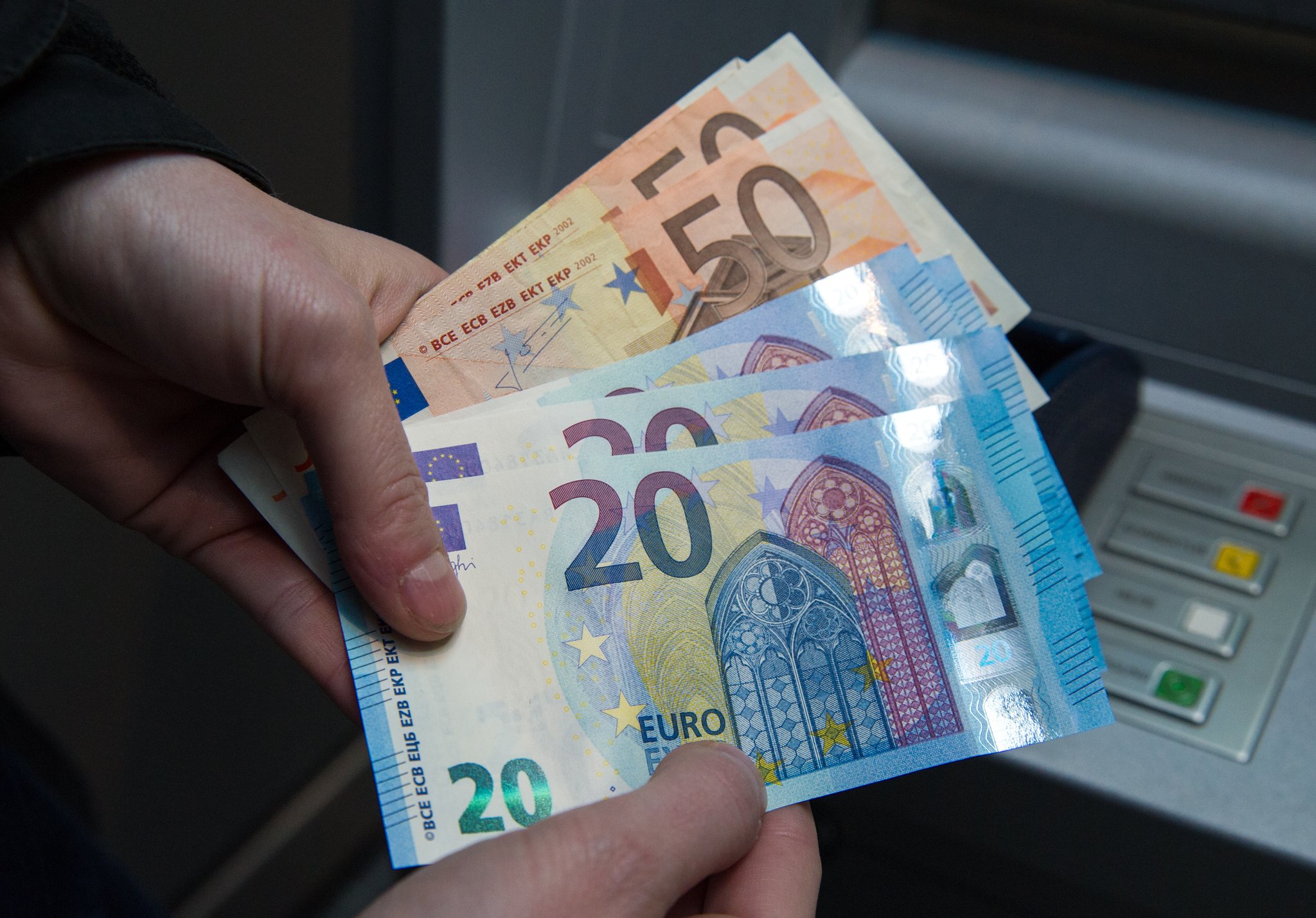
This Is How Counterfeit German Banknotes Will Look In 10 Years' Time
Counterfeit German Banknotes: An In-Depth Analysis
Intro
In a progressively digital world, the attraction of counterfeit currency remains a pressing issue for federal governments and monetary institutions alike. Germany, renowned for its financial stability and the strength of the Euro, is not immune to the hazard of counterfeit banknotes. Counterfeit German banknotes interrupt the economy, obstacle police, and affect public trust in currency. This article offers a useful overview of counterfeit German banknotes— their history, the methods used by counterfeiters, the potential consequences for society, and ways to acknowledge genuine currency.
A Brief History of Currency Counterfeiting in Germany
Counterfeiting has a long and storied history globally, and Germany is no exception. The nation has seen its share of counterfeiting efforts, especially throughout various crises in history:
Weimar Republic (1919-1933): Following World War I, Germany dealt with run-away inflation, which caused an abundance of counterfeit notes. The quick depreciation of currency made the economy vulnerable to counterfeiters.
Post-War Era: In the aftermath of World War II, the facility of the Deutsche Mark in 1948 brought a clean slate, but likewise a renewal of counterfeiting. The intro of advanced security functions helped suppress this pattern.
Euro Adoption: With the introduction of the Euro in 2002, Germany had to adapt to a new currency format. This supplied counterfeiters with a new target, resulting in continuous efforts by Deutsche Bundesbank (the German reserve bank) to enhance security procedures.
Approaches Employed by Counterfeiters
Counterfeiters utilize a variety of techniques to develop fake banknotes that can deceive the typical individual. Some of the most typical approaches consist of:
Digital Printing: Advances in technology have made it simpler for counterfeiters to print high-quality replicas of banknotes using high-resolution printers and scanners.
Photocopiers: People frequently undervalue the capability of contemporary photocopying innovation to replicate images with remarkable accuracy. Colin Fossa use copiers to produce counterfeit notes and may modify them with the aid of software.
Old Equipment: Some counterfeiters use older techniques, such as hand-drawing features or stamps, although this is less common in the digital age.
Professional Forge Operations: Organized criminal activity groups might run sophisticated forgery operations using experienced specialists who create sophisticated replicas, including using UV inks and ingrained security components.
Comprehending these techniques is crucial for the general public and businesses to protect versus counterfeit currency.
Effects of Counterfeit Currency
Counterfeiting has extensive consequences that affect various sectors:
Economic Impact: The existence of counterfeit banknotes can cause inflationary pressures, as counterfeit currency dilutes the value of genuine currency in blood circulation.
Loss of Revenue: Governments experience decreased confidence in their currency systems, resulting in potential revenue loss from taxes and legitimate monetary systems.
Legal Repercussions: Individuals captured distributing counterfeit currency can deal with severe legal penalties, including fines and jail time.
Public Confidence: The trust the general public locations on the currency is critical for its approval. Extensive counterfeiting can deteriorate this trust and can lead to modifications in consumer habits, such as a move towards cashless deals.
How to Identify Genuine German Banknotes
Acknowledging the credibility of banknotes is important for customers, retailers, and organizations. Here is a concise guide on how to recognize real German banknotes:
Ultra Violet Light
- Search For Fluorescent Fibers: Genuine banknotes consist of ingrained fluorescent fibers that radiance under UV light.
Watermark
- Look for Watermarks: All denominations of real German notes have a watermark that is noticeable when held versus the light.
Security Thread
- Analyze the Security Thread: The security thread is embedded into the note and can be viewed as a dark stripe when seen versus the light.
Color-Shifting Ink
- Observe the Color-Shifting Ink: Certain areas of the banknote will alter color when tilted.
Microprinting
- Check for Microprinted Text: Genuine notes include tiny text that is not noticeable to the naked eye but can be seen under a magnifier.
Feel the Texture
- Touch and Feel: Genuine German notes have a distinct texture due to the special paper used in their production.
FAQs
What are the most typical denominations of counterfeit German banknotes?
Counterfeiters typically target higher denominations, such as EUR50, EUR100, and EUR200, due to the bigger profits they can yield. Nevertheless, smaller denominations are not immune.
How can I report a counterfeit banknote?
If you think you have received a counterfeit banknote, report it right away to your local authorities department and submit the note to a bank for analysis.
Are there any technological tools for finding counterfeit banknotes?
Yes, several devices are available for merchants and banks, consisting of UV lamps and counterfeit detection pens that react to the specific features of genuine currency.
Can counterfeit banknotes be effectively passed off in everyday transactions?
While counterfeiters try to circulate fake banknotes, the improved awareness and security functions of legitimate currency make it significantly hard to pass off counterfeit notes without detection.
In conclusion, counterfeit German banknotes are a significant problem that provides obstacles for authorities, businesses, and the public. A historic viewpoint reveals the advancement of counterfeiting techniques and their consequences on the economy. Nevertheless, by understanding the techniques used to determine real banknotes and staying alert, people can add to the fight against counterfeiting. The value of preserving trust in currency can not be overemphasized, as it underpins the health and stability of the economy.